eBooks
90 Books foundAbout the Catalogue
The AADVE Public Domain Literature Library offers 90 carefully selected public-domain texts focused on law, crime, punishment, and the social forces that shape legal systems. organized as a subject-focused catalogue, the collection draws from Project Gutenberg and emphasizes primary sources—trial transcripts, legal treatises, personal memoirs, and historical analyses—that illuminate the relationship between law and everyday life.
Browsing the Collection
Readers can explore the catalogue through four thematic categories, each grouping works by shared subject matter and historical context. A search function allows direct access by title, author, or keyword. Each book record includes the full title, author(s), publisher, subject keywords, target reader description, and a catalogue note that explains the work's significance and structure.
Book Records and Source Attribution
Every entry in the library is linked to its original source at Project Gutenberg, ensuring transparency and public-domain verification. The catalogue note for each work provides editorial context, highlighting key themes, narrative devices, and historical background. For example, Corwin's 1919 chronicle of John Marshall is described as using ecclesiastical analogies to trace constitutional supremacy, while Daniel Drayton's memoir is noted for blending sailor's plainspoken narrative with legal testimony.
The Four Categories
The collection is organized into four categories: Adventure Picaresque Fiction (constitutional history, slavery, and criminal trials); Fantasy Juvenile Worlds (legal systems, treaties, and reform); Science Fiction Utopias (forensic science, famous trials, and detective accounts); and Historical Psychological Social Fiction (Roman law, memoirs, and customs enforcement). Each category provides a focused lens on the interplay between legal institutions and human experience.
Three Practical Reading Paths
Path 1: Understanding the American Legal System. Start with John Marshall and the Constitution (id 215) for the foundations of judicial review, then follow with The Life of John Marshall, Volume 4 (id 252) and The Journal of the Debates in the Convention (id 254) to see constitutional principles in action. Path 2: Crime and Punishment Through History. Begin with The Chronicles of Newgate, Vol. 1 (id 269) for the evolution of England's most notorious prison, then explore Tyburn Tree (id 276) and Science and the Criminal (id 262) to trace shifts in penal philosophy. Path 3: Voices of Resistance. Read From the Darkness Cometh the Light (id 230) and Personal Memoir of Daniel Drayton (id 222) for firsthand accounts of slavery and legal struggle, then examine The Trial of Theodore Parker (id 243) for the abolitionist use of the courtroom.
Using the Catalogue
The library is designed for students, researchers, and general readers interested in legal history, true crime, and social justice. Each book can be read online or downloaded in multiple formats. The editorial notes provide guidance for first readings, highlighting structural choices and key passages. The catalogue is updated periodically, and corrections or reader reports are welcome via the contact page.
Bibliographic dates and catalogue measurements
The catalogue distinguishes the Project Gutenberg digital release from a work’s original or first publication. Project Gutenberg is identified as the digital source for the edition available here; its release year is therefore shown as Gutenberg Release Year, not as the work’s original publication year.
When an explicit first-publication or issue date can be supported directly by the title or issue information, it may be shown separately as First Publication Year. When that date cannot be confirmed, the catalogue displays Not confirmed rather than guessing a year.
Where the source text can be measured reliably, the catalogue may provide word count and estimated reading time. These measurements describe reading scope and are not quality rankings.
The current catalogue contains 4 active subject categories: Adventure Picaresque Fiction, Fantasy Juvenile Worlds, Science Fiction Utopias, and Historical Psychological Social Fiction. Categories are browsing aids and may overlap where a work reasonably fits more than one subject.
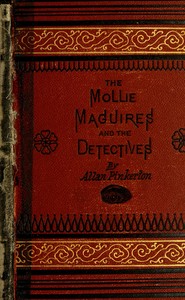
- Featured

- Featured