
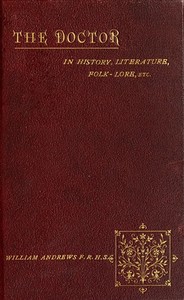
The Doctor in History, Literature, Folk-Lore, Etc. by William Andrews
Okay, let's talk about this book. First, it's important to know it's not a novel with a plot. Think of it more like a guided tour through a very specific museum. The author, William Andrews, acts as your curator. He doesn't tell one continuous story. Instead, he gathers bits and pieces from everywhere—old history books, famous plays by Shakespeare and Molière, ancient poems, and superstitions passed down through villages.
The Story
The 'story' here is the evolution of the doctor as a figure in society. Andrews starts way back, showing how medicine was mixed up with religion and magic. He talks about barber-surgeons (yes, your haircutter might also remove a tooth), 'quacks' selling miracle cures at fairs, and how doctors were portrayed as greedy or foolish in classic literature. Each chapter is like a short essay on a different aspect: doctors in the Bible, doctors in jokes and proverbs, famous physicians from history, and the strange tools they used. It's a collage of how people have viewed healers, for better or worse, across centuries.
Why You Should Read It
I loved this book because it makes history feel alive and a little bit ridiculous. You get a real sense of how scary it was to be sick before modern science. The 'cures' are often horrifying or silly. But more than that, you see how the doctor's role has always been complicated—part hero, part suspect, part comedian in plays. Andrews has a great eye for the funny and the shocking detail. Reading it, you realize how far we've come, but also how many of our current debates about doctors (trust, cost, ethics) are actually very old conversations.
Final Verdict
This is a perfect book for anyone with a casual interest in history or medicine who enjoys weird facts and old stories. It's great for dipping in and out of—you can read a chapter before bed. If you're a fan of podcasts or shows about the strange side of history, you'll feel right at home. It's not for someone seeking a strict, chronological history textbook. But if you want a charming, sometimes funny, and always surprising look at how we got from bloodletting to brain surgery, pick this up. It's a reminder that the path to modern medicine was anything but straight and sterile.
This publication is available for unrestricted use. Preserving history for future generations.
Jessica Harris
11 months agoThis digital copy caught my eye due to its reputation, the clarity of the writing makes even the most dense sections readable. Thanks for making such a high-quality version available.
Emma Davis
1 year agoGood quality content.
Christopher Harris
1 year agoSolid story.
Robert Taylor
2 months agoI started reading out of curiosity and the clarity of the writing makes this accessible. I will read more from this author.




Linda Taylor
2 months agoI appreciate how this edition approaches the core problem, the nuanced approach to the central theme was better than I expected. Top-tier content that deserves more recognition.